
No prompts found
TRY SEARCHING FOR SOMETHING ELSE
Try These AI Skills Instead
Discover featured tools that can help you generate amazing content.
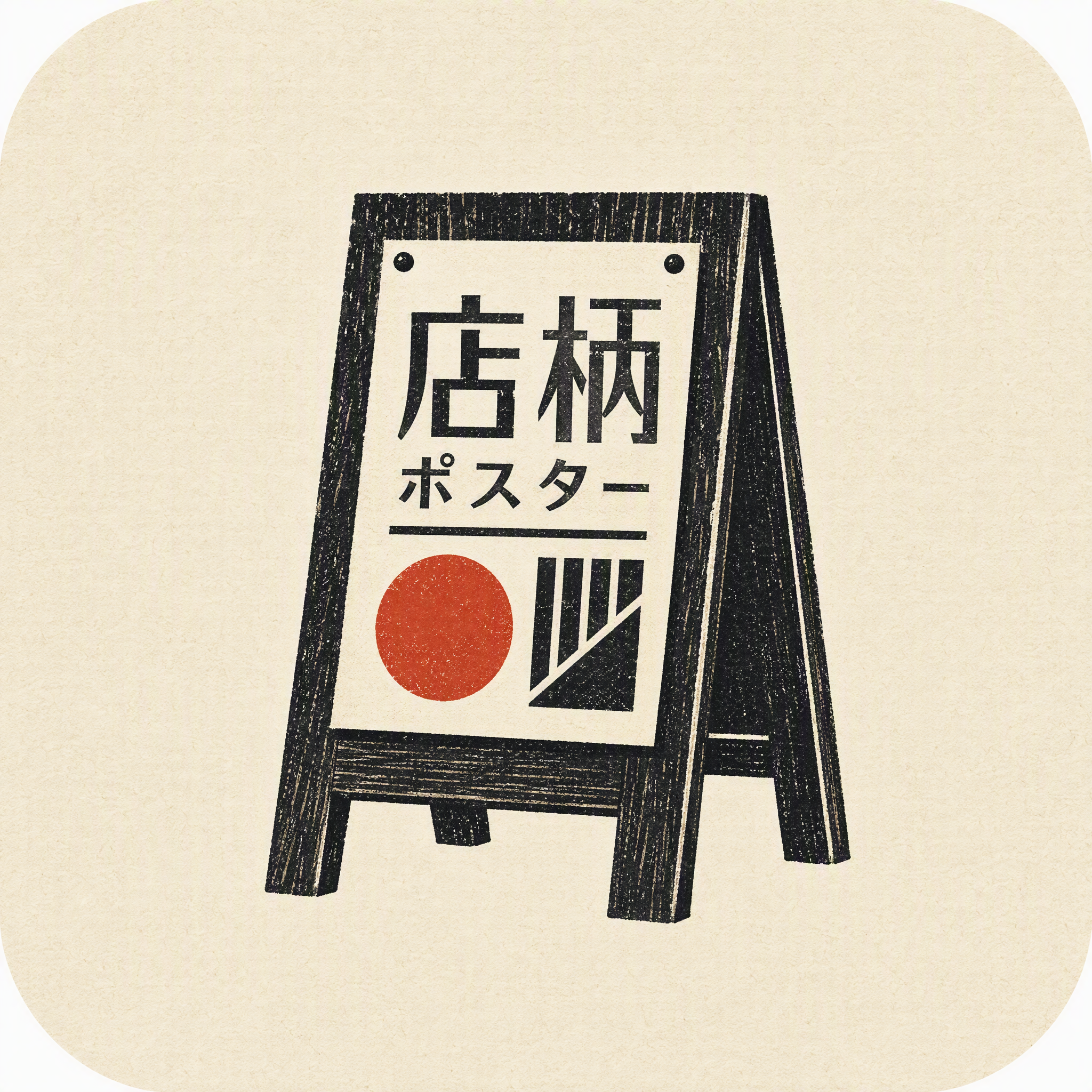
In-Store POP & Promo Posters
A Skill for creating in-store POP, promotional posters, and announcement signs for brick-and-mortar stores. It designs authentic Japanese-language visuals tailored to the viewing distance and your store’s unique character and atmosphere.

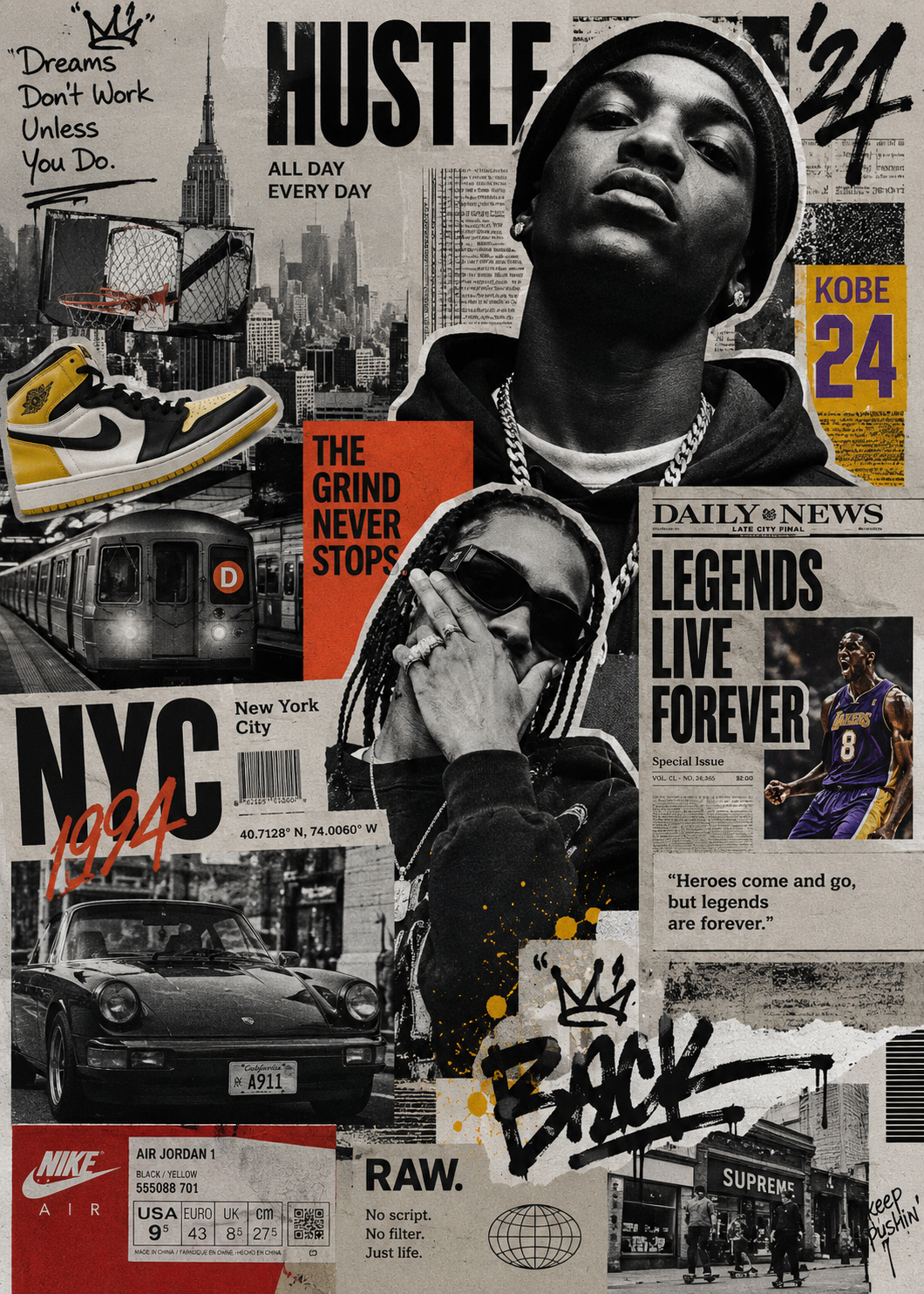
Street Culture Collage
A Skill for generating street culture editorial collages. It recombines user-provided portraits, products, sneakers, cars, posters, text, and other custom assets with elements from magazines, newspapers, zines, street photography, Hip-Hop, sports, music, and fashion culture to create highly layered Editorial Collage artwork. The Skill supports multiple color modes, including black and white, black and white with selective accent colors, and vintage full color. Through techniques such as subject cutouts, cropped assets, cross-page layering, oversized typography, handwritten doodles, newspaper details, film grain, and printed-paper textures, it creates asymmetrical collages with a nostalgic street culture feel. Users can let AI generate assets based entirely on a theme or freely specify and customize their own, so every piece maintains a cohesive visual language while expressing a distinctive theme.

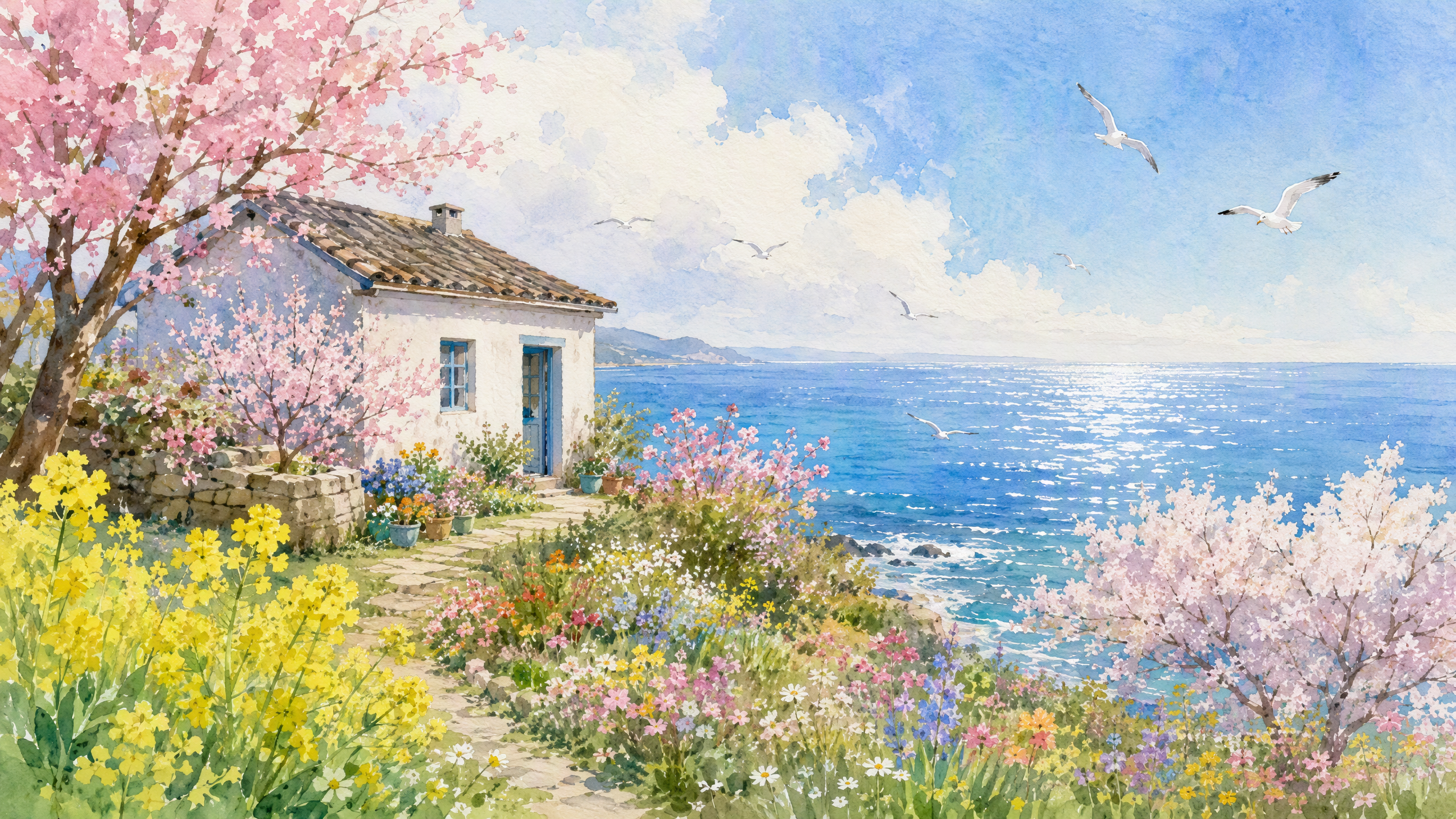
Poetry Sketch Studio
Enter any modern poem or classical verse. The Skill extracts its core imagery, time and place, and emotional tone, then creates atmospheric illustrations in hand-drawn styles such as watercolor, pen-and-wash, and expressive ink wash—with the tactile warmth of handmade paper.

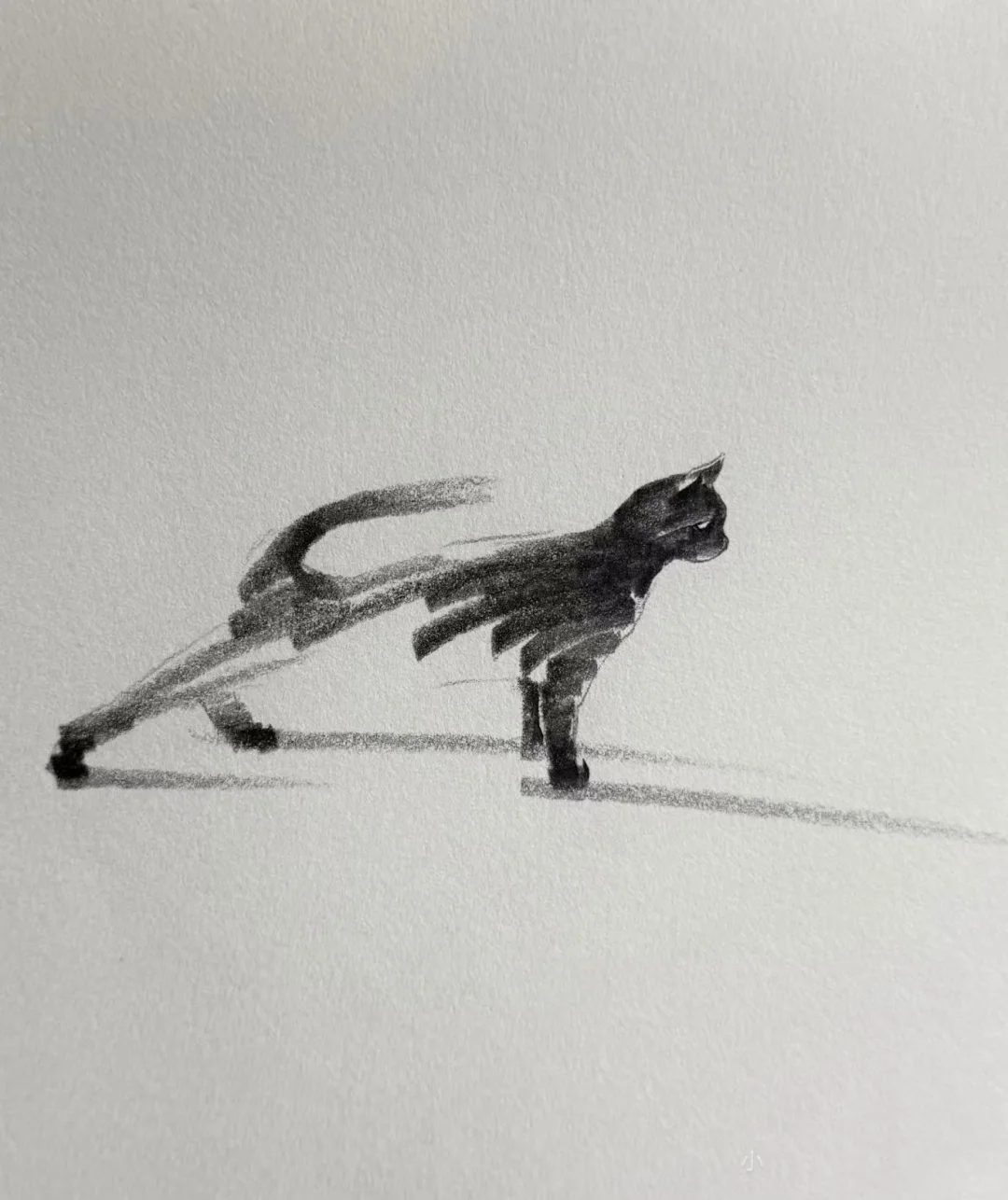
Fading Negative-Space Sketch
Transform people, animals, facial close-ups, or still-life subjects into spontaneous Western pencil sketches with the expressive negative-space aesthetic of Eastern freehand painting. You can enter a subject description directly or provide a reference image to create a relaxed, distinctly unfinished sketch—not a photographic rendering or an overly polished digital portrait. The image uses only a few strokes to define key contours and expressions, leaving broad areas of the original paper blank across the face and within the subject. It avoids dense fur, delicate skin texture, and smooth shading. The neck, shoulders, or torso naturally blend into rough side-of-the-pencil strokes, broken lines, and dry-brush marks that gradually fade into the visible paper texture. The result feels like a practice sketch on a coarse-textured sketchbook page, suitable for portraits, animal studies, minimalist facial studies, and still-life concept sketches, with a restrained black-and-white graphite look and a quiet, poetic sense of space. Inspiration: Xiaohongshu comic artist blogger — 手訫


One Character, One World
This Skill does not simply apply an ink-wash filter to Chinese characters. It first understands the core meaning of the text in its full context, then determines how the imagery, calligraphy, and layout should work together. Give it a Chinese character, name, place name, idiom, line of poetry, or public-domain classical Chinese poem or prose passage. It first interprets the meaning, then transforms the character’s strokes into mountains, rivers, bridges, figures, architecture, or narrative paths, making the calligraphy itself the framework of the composition. Different meanings automatically call for different brush movements, colors, and compositions, rather than being forced into a fixed template. It supports single-character posters, multi-character series, combined-character compositions, and storyboard sequences based on classical poetry and prose. Names, place names, and idioms can be turned into sequential series with one character per poster, or idioms, poetic lines, and parallel phrases can be combined into a single poster. Classical poetry and prose can be divided into 6–12 consecutive posters according to the original order and emotional arc, with nine posters by default for WeChat Moments, while naturally incorporating the corresponding original text into the imagery. The Skill actively avoids common failures: illegible characters, calligraphy that looks like a computer font, misinterpretations caused by checking characters one by one, forcing the entire image into a character-shaped mask, changing only the text while leaving the narrative unchanged across a series, placing the main text in an awkward standalone white box, and presenting garbled small text as a finished design. It is suited to Chinese posters, urban cultural visuals, name-based gifts, idiom and poetry projects, nine-image WeChat Moments posts, Xiaohongshu graphics, and collectible Eastern editorial design. The final result is influenced by YouMind’s current image model. When long text must be accurate character by character, the Skill prioritizes editable text layers for typesetting; when that is not possible, it clearly labels the result as a conceptual base and provides accurate typesetting specifications.

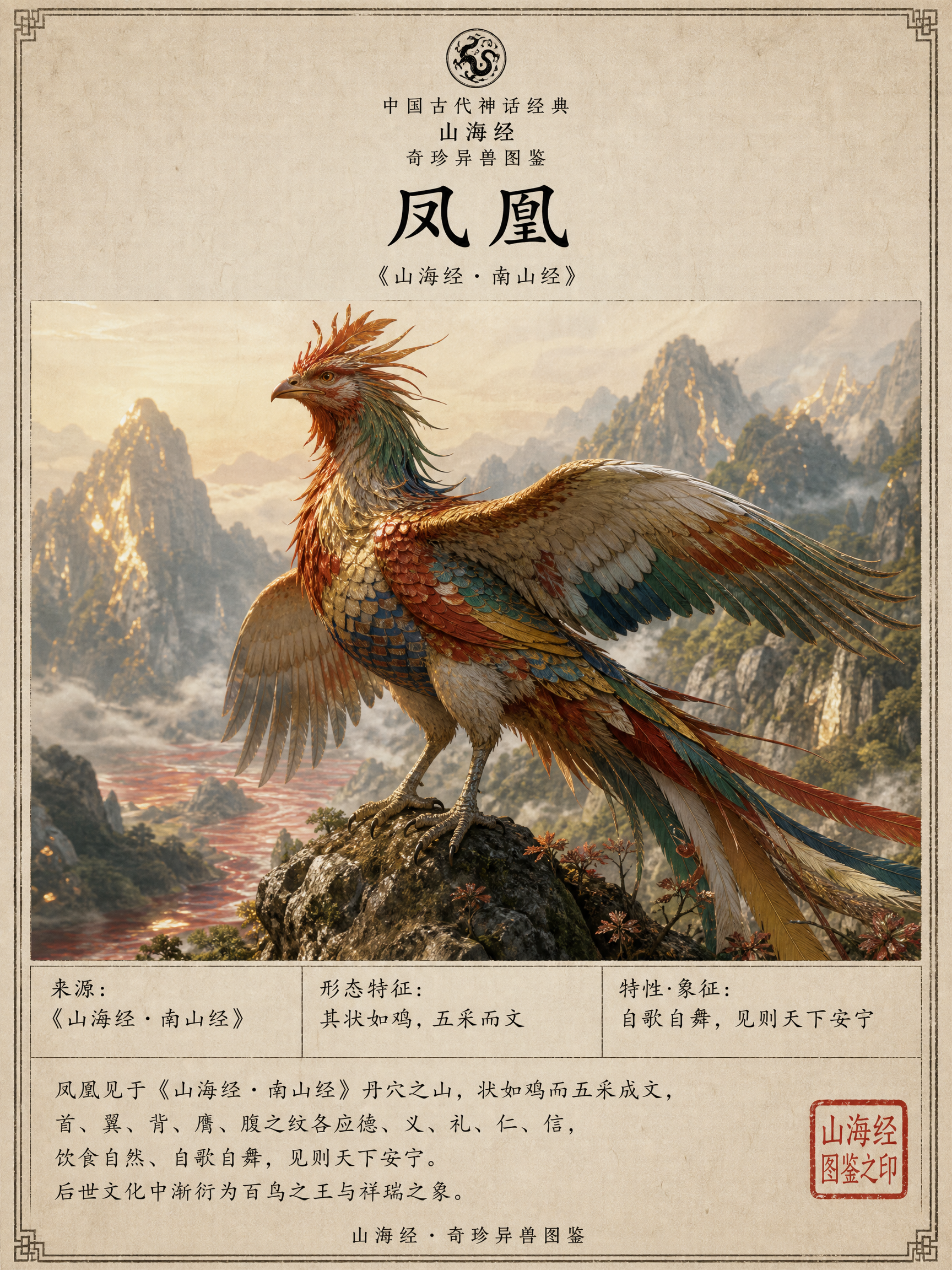
Shan Hai Jing Bestiary Cards
Turn beasts, strange birds, plants, deities, and other supernatural beings from the Shan Hai Jing (Classic of Mountains and Seas) into collectible, hyperreal Eastern natural history cards. Whether you provide a creature’s name, a passage from the original text, a custom theme, or a reference image, the Skill organizes its classical source, physical traits, and supernatural attributes into a clear design. If you provide only a name, it can also develop the visual concept directly from the original classic, with no additional explanation needed. Each finished card uses a 3:4 vertical collectible format with a consistent layout, aged ivory and blue-gray ink-black tones, antique paper texture, fine-line borders, seal stamps, and Chinese information panels. The featured creature is reconstructed with credible bones, muscles, skin, fur, feathers, or scales, then presented from an observational angle inspired by nature documentaries, with realistic weight, environmental lighting, and cinematic CG detail. The result avoids chibi, cartoon, and generic game-character illustration styles. The visual language draws from Shang and Zhou bronze vessels, classical book design, stone reliefs, jade artifacts, seal carving, and traditional natural history, without relying on clichéd xianxia or fantasy decoration. Each card brings together the creature’s name, source, appearance, traits, and a concise introduction, while clearly distinguishing original records from later cultural interpretations. It is suited to creating individual collectible images, a series of Shan Hai Jing bestiary cards, or an ongoing body of work built around the same aesthetic of ancient Eastern artifacts.

Common Questions
Ready to create with
YouMind?
Turn these prompts into images with the models available in YouMind.
LET YOUR IMAGINATION SOAR